A thick coil of steel wire doesn't look anything like a nail. Turning one into the other takes two operations—wire drawing and cold heading—and both depend on precision tooling. For nail manufacturers, understanding this tooling isn't academic. It directly shapes your product quality, your production speed, and your cost per ton.
Here's how the process works, step by step, and where the tooling fits in.
Step One: Wire Drawing
The wire that arrives from the steel mill is typically 5.5mm to 6.5mm in diameter. That's too thick for most nails. Wire drawing brings it down to the exact diameter you need.
How it works: The wire is pulled through a series of progressively smaller dies. Each die squeezes the wire to a slightly smaller diameter, stretching it longer and increasing its tensile strength in the process. A nail that starts as Q195 or Q235 low-carbon steel rod might end up at 3.5mm, 4.0mm, or whatever your product demands.
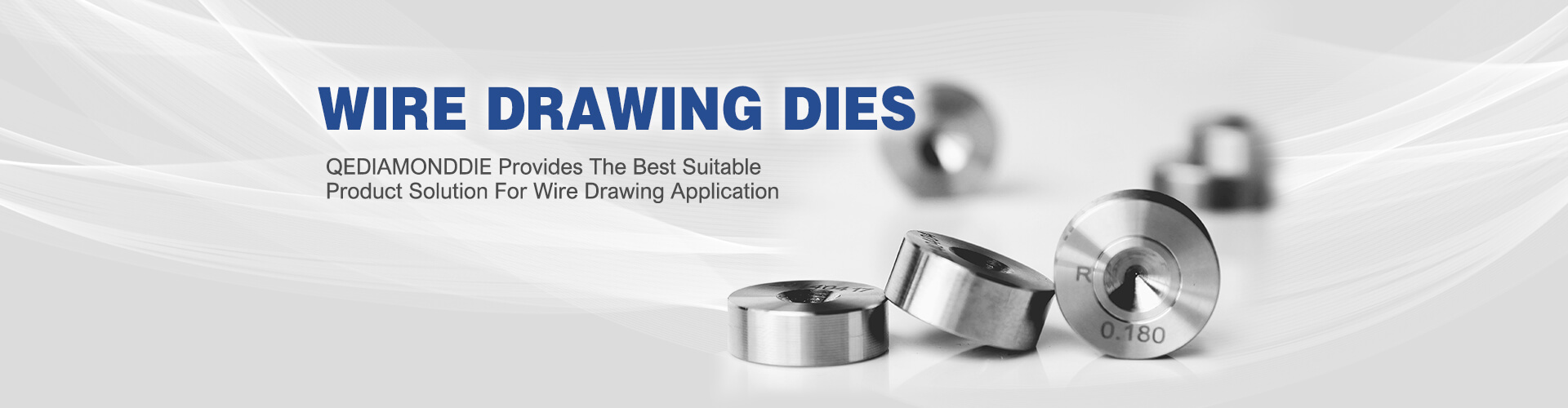
The critical component in this step is the drawing die. The die sets your wire's final diameter, roundness, and surface finish. If the die is worn, misaligned, or made from the wrong material, the wire comes out inconsistent. That means inconsistent nails.
Step Two: Cold Heading and Cutting
Once the wire is at the right diameter, it feeds into a high-speed nail-making machine. Inside that machine, three sets of tooling work together in a cycle that takes less than a second:
-
Gripper dies clamp the wire firmly in place.
-
The header punch slams into one end of the wire with enough force to cold-form a flat nail head. Custom punch faces can emboss a logo or pattern into the head.
-
The cutter shears the wire at the other end and simultaneously forms the nail point.
What emerges is a finished nail—head on one end, point on the other. The quality of that nail depends on all three tooling elements working precisely together.
Where Quality Starts: The Drawing Die
Among all the tooling in this process, the drawing die deserves extra attention. Why? Because it controls the foundation everything else is built on. If your wire diameter is off or the surface is scored, no amount of precision in the heading stage can fix it.
Drawing dies come in different materials, and the choice matters more than many producers realize:
-
Carbide dies (tungsten carbide, often called "tungsten steel") handle the vast majority of carbon steel nail wire. They offer a practical balance of wear resistance, toughness, and cost. For standard nails made from low-carbon steel, carbide remains the industry workhorse.
-
PCD dies (polycrystalline diamond) are the choice for harder or more abrasive wire. Stainless steel nails, for example, demand PCD tooling. The material's extreme hardness and surface finish prevent the galling and adhesion that stainless wire causes on carbide. Yes, PCD dies cost more to purchase. In high-volume stainless production, they usually cost far less per ton drawn.
-
Natural diamond and CVD diamond fill niche roles, mostly for extremely fine wire diameters under 1.2mm or applications requiring the highest possible surface quality.
Why This Matters for Your Operation
Every nail manufacturer we work with eventually faces the same tradeoffs: upfront tooling cost versus tooling life, wire quality versus die material, maintenance downtime versus total output.
A drawing die is not just a consumable. It's a cost-control tool. Choose the right one for your material and production volume, and you reduce scrap, cut downtime, and ship more consistent product. Choose wrong, and you pay for it in rejected batches and idle machines.
In our next article, we'll break down the real differences between carbide and diamond drawing dies—including the total cost of ownership numbers most suppliers don't share.